Introduction
Option trading is a sophisticated financial strategy that allows investors to hedge their bets or speculate on the future direction of an asset. Unlike traditional stock trading, options trading involves contracts that give the holder the right, but not the obligation, to buy or sell an underlying asset at a predetermined price within a specific timeframe. This guide aims to provide a comprehensive understanding of option trading, its advantages, risks, and strategies to help both novice and experienced traders navigate this complex financial landscape.
Understanding Options
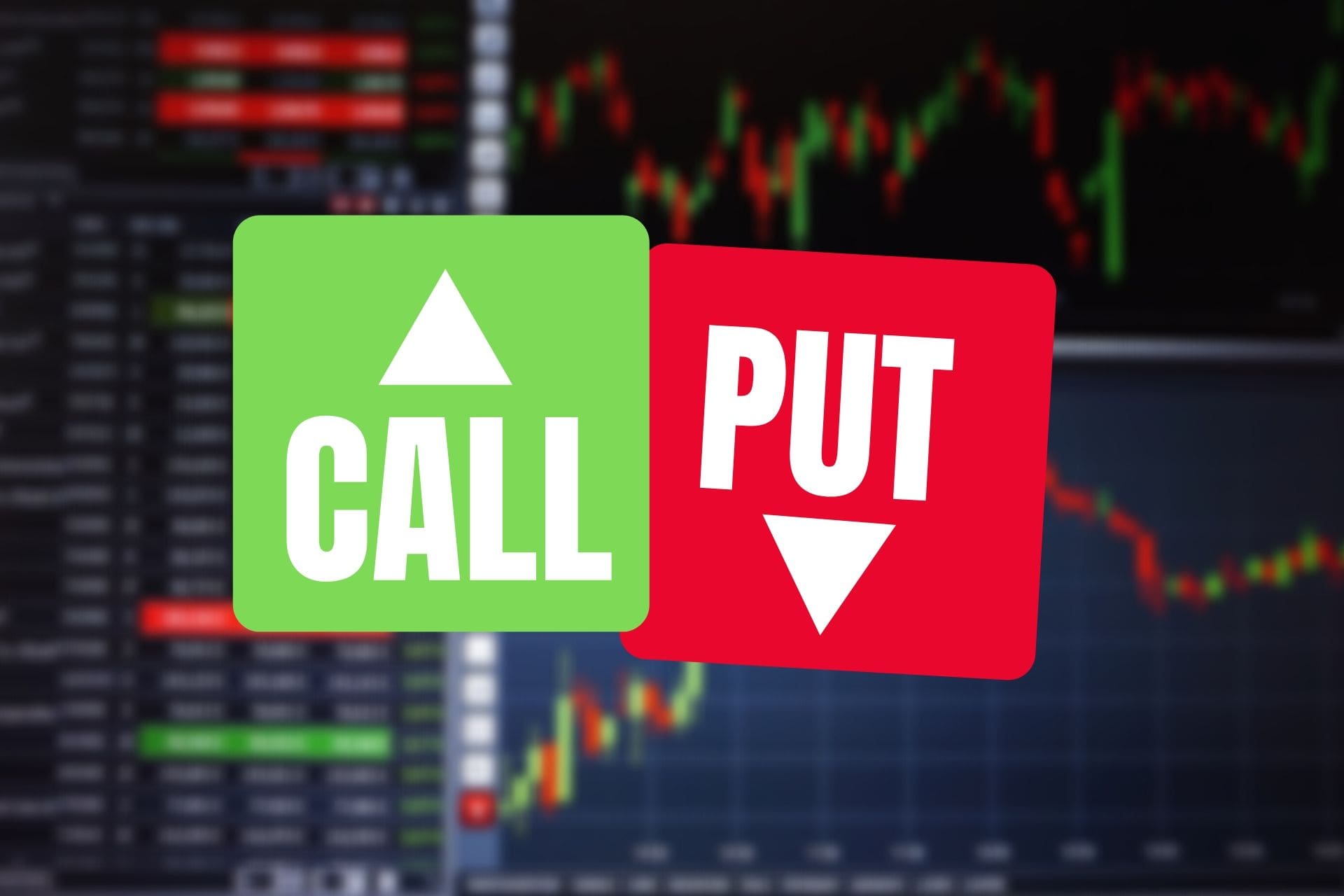
Options are financial derivatives that derive their value from an underlying asset, which can be stocks, indices, commodities, or currencies. There are two main types of options:
- Call Options: A call option gives the holder the right to buy the underlying asset at a specified price (strike price) before the option expires. Investors purchase call options when they anticipate the price of the underlying asset will rise.
- Put Options: A put option gives the holder the right to sell the underlying asset at the strike price before the option expires. Investors buy put options when they believe the price of the underlying asset will fall.
Key Terms in Option Trading
- Strike Price: The price at which the underlying asset can be bought or sold as specified in the option contract.
- Expiration Date: The date on which the option contract expires. After this date, the option becomes worthless.
- Premium: The price paid by the buyer to the seller to acquire the option. This is influenced by various factors, including the underlying asset’s price, time to expiration, and volatility.
- In-the-Money (ITM): A call option is ITM if the underlying asset’s price is above the strike price, and a put option is ITM if the underlying asset’s price is below the strike price.
- Out-of-the-Money (OTM): A call option is OTM if the underlying asset’s price is below the strike price, and a put option is OTM if the underlying asset’s price is above the strike price.
- At-the-Money (ATM): An option is ATM if the underlying asset’s price is equal to the strike price.
Benefits of Option Trading
- Leverage: Options allow traders to control a large position with a relatively small amount of money. This leverage can amplify returns if the market moves in the trader’s favor.
- Flexibility: Options can be used for various strategies, including hedging, speculation, and income generation.
- Limited Risk: For option buyers, the maximum loss is limited to the premium paid for the option, unlike stockholders who can lose their entire investment.
- Profit in Different Market Conditions: Options can generate profits in bullish, bearish, or even sideways markets depending on the strategy employed.
Risks of Option Trading
- Complexity: Options trading involves a steep learning curve and understanding various factors that affect option prices.
- Time Decay: Options lose value over time, a phenomenon known as time decay. The closer an option gets to its expiration date, the faster it loses value.
- Potential for Large Losses: While buyers have limited risk, option sellers (writers) can face significant losses, especially in uncovered (naked) positions.
- Volatility: The price of options is highly sensitive to volatility. Unexpected market movements can result in significant losses.
Common Option Trading Strategies
- Covered Call: This strategy involves owning the underlying asset and selling a call option on the same asset. It generates income from the option premium and provides a limited hedge against a decline in the asset’s price.
- Protective Put: This involves buying a put option on an asset the investor already owns. It serves as insurance, providing the right to sell the asset at the strike price, thus limiting downside risk.
- Straddle: This strategy involves buying both a call and a put option with the same strike price and expiration date. It profits from significant price movements in either direction.
- Iron Condor: This strategy involves selling an out-of-the-money call and put while simultaneously buying further out-of-the-money call and put options. It profits from low volatility and aims to capitalize on the passage of time.
Steps to Start Trading Options
- Education: Before diving into options trading, it’s crucial to understand the basics, including key terms, strategies, and the mechanics of options.
- Brokerage Account: Open a brokerage account that offers options trading. Some brokers may require approval based on your trading experience and financial situation.
- Research: Conduct thorough research on the underlying assets and market conditions. Utilize technical and fundamental analysis to inform your trading decisions.
- Start Small: Begin with small trades to gain experience and build confidence. Consider paper trading (simulated trading) to practice without risking real money.
- Risk Management: Implement risk management strategies to protect your capital. Set stop-loss orders and avoid over-leveraging your account.
Conclusion
Option trading offers a versatile and potentially profitable way to engage in the financial markets. However, it requires a solid understanding of the intricacies involved and a disciplined approach to manage risks effectively. By educating yourself, starting small, and employing sound strategies, you can navigate the world of options and harness their full potential. Whether you’re looking to hedge your investments, generate income, or speculate on market movements, options trading provides a powerful toolkit for achieving your financial goals.