Background: GameStop’s Struggles and Short-Selling
GameStop Corp., a prominent American retailer specializing in video games, consumer electronics, and gaming merchandise, had been grappling with declining sales for years. The rise of digital game distribution and the shift towards online shopping significantly impacted GameStop’s brick-and-mortar business model. As a result, numerous hedge funds began short-selling GameStop stock, betting that its price would continue to plummet.
Short Selling Explained:
Short selling involves borrowing shares of a stock, selling them on the open market, and later buying them back at a lower price to return to the lender. If the stock price falls as anticipated, the short seller profits from the difference. However, if the stock price rises instead, short sellers face potentially unlimited losses, as there is no cap on how high a stock price can go.
The Short Squeeze: Retail Investors Take the Stand
The situation escalated when retail investors, primarily congregating on the Reddit forum r/WallStreetBets, noticed the high short interest in GameStop. Short interest is the percentage of a company’s outstanding shares that have been sold short but not yet covered or closed out. For GameStop, this figure soared to over 100%, indicating that more shares were shorted than were available in the market.
Key Factors Leading to the Short Squeeze:
Massive Short Interest:
With short interest exceeding the total number of available shares, any upward movement in the stock price forced short sellers to buy back shares to cover their positions, further driving up the price.
Viral Momentum:
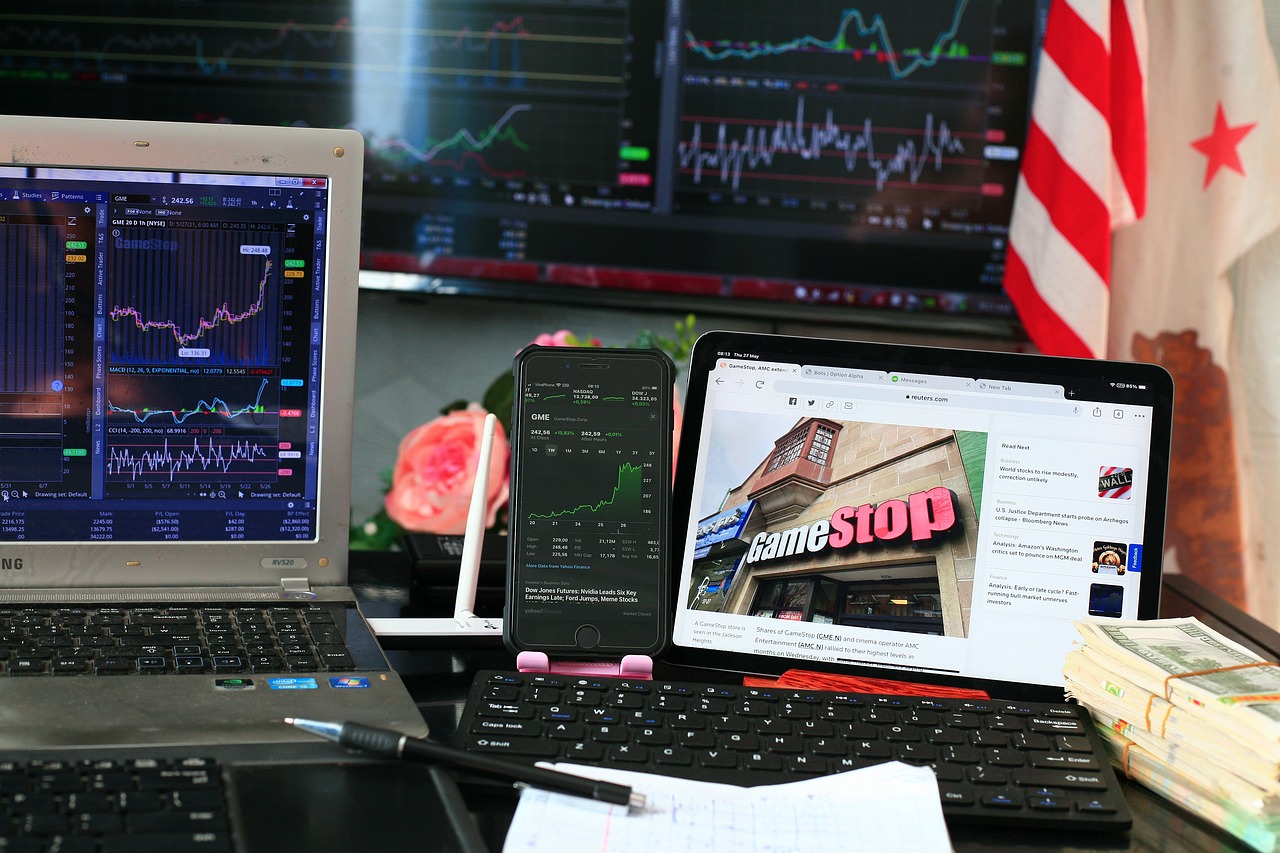
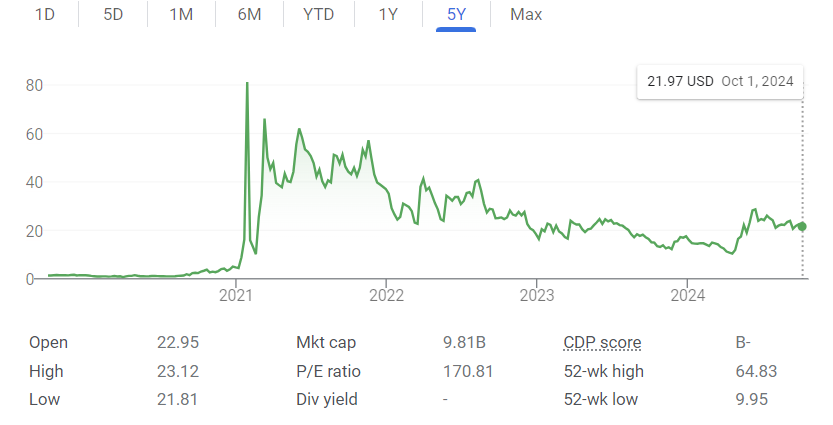
The collective action of thousands of retail investors buying and holding GameStop shares created a surge in demand, propelling the stock price from around $20 in early January 2021 to an intraday high of nearly $483 by the end of the month.
Social Media Amplification:
Platforms like Reddit, Twitter, and Discord played pivotal roles in spreading the word, coordinating buying efforts, and maintaining momentum despite attempts by brokers to limit trading.
Dramatic Price Movements: A Timeline
To fully grasp the impact of the GameStop saga, it’s essential to understand the dramatic price movements that occurred during this period:
January 13, 2021: GameStop stock was trading around $20. A handful of retail investors on r/WallStreetBets begin to coordinate buying efforts to counteract the heavy short interest.
January 22, 2021: The stock starts to climb sharply, reaching $50 by mid-day. This rapid increase triggers panic among short sellers, leading to increased buying to cover short positions.
January 28, 2021: GameStop’s price skyrockets to an intraday high of $483. This unprecedented surge is fueled by a combination of short covering, buying from retail investors, and media attention.
January 28-29, 2021: Extreme volatility ensues. After hitting the peak, the stock experiences significant pullbacks, with prices fluctuating wildly as market participants react to the rapid changes.
February 2, 2021: The stock stabilizes around $170 after the initial frenzy, reflecting both the heightened demand and the partial unwinding of the short squeeze.
The Battle with Hedge Funds: David vs. Goliath
Hedge funds such as Melvin Capital found themselves on the losing side of this battle. As GameStop’s stock price skyrocketed, these funds faced massive losses, leading to significant capital erosion. Melvin Capital, for instance, required a substantial bailout to stabilize its position.
Notable Events:
Robinhood Restrictions:
In mid-January 2021, the trading platform Robinhood restricted the purchase of GameStop and other volatile stocks, citing the need to meet regulatory deposit requirements. This move sparked outrage among retail investors, who viewed it as a betrayal and a restriction on their ability to participate in the market.
Government and Regulatory Scrutiny:
The unprecedented event drew attention from lawmakers and regulatory bodies, prompting discussions about market manipulation, the role of social media in stock trading, and the fairness of the financial system.
Implications for the Stock Market and Investor Behavior
The GameStop saga had far-reaching consequences, reshaping perceptions and practices within the financial industry.
1. Rise of Retail Investors:
The event highlighted the growing influence of retail investors, empowered by technology and social media, in challenging institutional players.
2. Market Transparency and Access:
It spurred debates on the transparency of short-selling practices, the accessibility of trading platforms, and the potential need for regulatory reforms to ensure a level playing field.
3. Surge in Meme Stocks:
Following GameStop, other “meme stocks” like AMC Entertainment and Blackberry experienced similar volatility, driven by online communities and coordinated buying efforts.
4. Reevaluation of Trading Platforms:
Platforms like Robinhood faced intense scrutiny over their business models, margin lending practices, and decision-making processes during the trading frenzy.
Lessons Learned and the Future of Investing
The GameStop story offers several key takeaways for investors and the financial industry:
1. Importance of Due Diligence:
Investors must conduct thorough research and understand the fundamentals of the companies they invest in, rather than relying solely on hype or social media trends.
2. Risk Management:
Both retail and institutional investors need to employ robust risk management strategies to navigate volatile market conditions effectively.
3. Regulatory Reforms:
The event underscored the need for potential regulatory changes to address market manipulations, ensure fair trading practices, and protect investors’ interests.
4. Empowerment Through Technology:
Technology has democratized investing, giving more people the tools to participate in the stock market. However, it also necessitates greater financial literacy and awareness of market dynamics.
Conclusion
The GameStop episode stands as a landmark event in the history of the stock market, symbolizing the clash between retail investors and Wall Street institutions. It demonstrated the power of collective action facilitated by social media and highlighted the evolving landscape of investing in the digital age. While the immediate financial impacts have settled, the long-term implications continue to influence market practices, regulatory policies, and investor behavior. As the financial world adapts to these changes, the legacy of the GameStop story will undoubtedly shape the future of stock market investing.