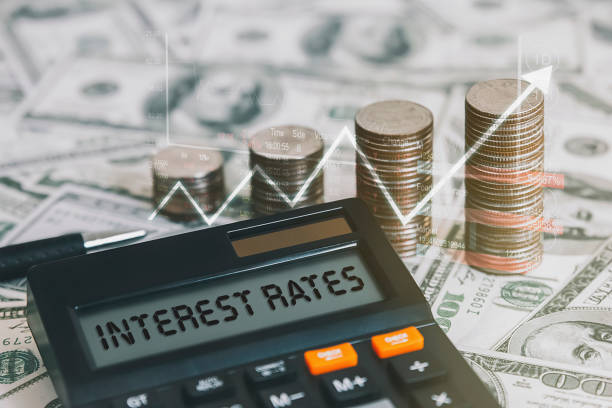
Interest rates are one of the most influential factors in the global economy, and central banks use them as a powerful tool to regulate economic growth, inflation, and financial stability. When central banks decide to increase interest rates, it has far-reaching consequences for businesses, investors, and financial markets. Understanding how interest rate hikes impact stock markets is crucial for investors looking to navigate market fluctuations and adjust their portfolios accordingly.
Understanding Interest Rates and Central Bank Policies
Central banks, such as the Federal Reserve (Fed) in the U.S., the European Central Bank (ECB), and the Bank of England (BOE), set benchmark interest rates to influence economic conditions. These rates determine the cost of borrowing for banks, businesses, and consumers.
Why Do Central Banks Raise Interest Rates?
Interest rate hikes are typically implemented to:
- Control inflation: Higher rates make borrowing more expensive, slowing down spending and reducing inflationary pressures.
- Prevent economic overheating: A rapidly expanding economy can lead to asset bubbles and unsustainable growth, necessitating rate hikes.
- Maintain currency stability: Higher interest rates attract foreign investments, strengthening the domestic currency.
- Encourage savings: Higher rates make savings accounts and fixed-income investments more attractive, reducing excessive risk-taking in financial markets.
Impact of Interest Rate Hikes on Stock Markets
1. Immediate Market Reactions
Interest rate hikes often lead to immediate stock market volatility. When a central bank raises rates, it signals tighter financial conditions, leading to sell-offs, particularly in high-growth sectors.
- Stock indices drop: The S&P 500, Nasdaq, and Dow Jones typically decline following a rate hike announcement as investors adjust their portfolios.
- Bond yields rise: Higher rates make bonds more attractive, leading to capital outflows from equities into fixed-income securities.
- Increased volatility: Uncertainty about future economic conditions increases market fluctuations.
2. Sector-Specific Effects
Not all sectors react to interest rate hikes in the same way. Some industries benefit, while others face headwinds.
Sectors That Suffer from Interest Rate Hikes:
- Technology & Growth Stocks: These companies rely heavily on borrowing to finance expansion. Higher interest rates increase their debt costs and reduce profit margins.
- Real Estate: Rising mortgage rates make housing and commercial properties less affordable, reducing demand and affecting real estate investment trusts (REITs).
- Consumer Discretionary: Businesses reliant on consumer spending (e.g., travel, luxury goods) tend to struggle as higher rates reduce disposable income.
Sectors That Benefit from Interest Rate Hikes:
- Financials & Banks: Banks benefit from higher rates as they can charge more for loans and earn greater interest income.
- Insurance Companies: Higher rates improve the profitability of insurers as they earn more from fixed-income investments.
- Commodities & Energy: Inflation-driven rate hikes often boost commodity prices, benefiting oil, gas, and mining companies.
3. Impact on Corporate Earnings and Valuations
Higher interest rates reduce corporate profitability in several ways:
- Higher borrowing costs: Companies with significant debt loads face increased interest expenses, reducing net profits.
- Lower consumer demand: Higher rates can weaken consumer spending, affecting companies’ revenue streams.
- Discounted future earnings: Investors value stocks based on expected future earnings. Higher rates reduce the present value of these earnings, leading to lower stock prices.
4. Investor Sentiment and Market Trends
Rate hikes influence investor psychology, often leading to shifts in market trends.
- Risk Aversion: Investors move away from riskier assets, favoring bonds, gold, or dividend-paying stocks.
- Sector Rotation: Investors reallocate funds to defensive sectors like healthcare, utilities, and consumer staples.
- Bearish Market Trends: Prolonged rate hike cycles can contribute to extended stock market downturns, slowing overall market momentum.
5. Foreign Investment and Currency Impacts
Rising interest rates strengthen the domestic currency, attracting foreign investments while making exports less competitive.
- Stronger Currency: Higher rates attract international capital seeking higher returns, strengthening the currency (e.g., the U.S. dollar).
- Impact on Multinational Companies: A strong currency reduces the profitability of companies with significant international sales as foreign earnings translate into fewer domestic dollars.
- Emerging Market Risks: Developing economies often experience capital outflows as investors shift towards U.S. dollar-denominated assets, leading to stock market declines in those regions.
6. Inflation, Recession Risks, and Long-Term Market Effects
While interest rate hikes are meant to curb inflation, they can lead to economic slowdowns or recessions if implemented too aggressively.
- Hard vs. Soft Landing: A “soft landing” refers to slowing inflation without triggering a recession, while a “hard landing” results in a significant economic downturn.
- Historical Trends: Previous rate hike cycles (e.g., the 1980s Volcker-led hikes) resulted in recessions, while gradual rate increases (e.g., the 1990s) had softer impacts.
How Investors Can Navigate Interest Rate Hike Cycles
Investors can adopt several strategies to manage risks and capitalize on opportunities during rate hike cycles.
1. Diversify Your Portfolio
Holding a mix of stocks, bonds, commodities, and cash can reduce risks associated with market fluctuations. Defensive sectors like utilities and consumer staples provide stability.
2. Focus on Value Stocks Over Growth Stocks
- Value stocks (e.g., consumer goods, healthcare, and financials) perform better in high-rate environments.
- Growth stocks (e.g., tech and speculative assets) struggle due to higher borrowing costs.
3. Consider Fixed-Income Investments
- Treasury bonds and corporate bonds become more attractive as yields rise.
- Dividend-paying stocks provide income stability in uncertain markets.
4. Monitor Central Bank Signals and Economic Indicators
Staying informed on Federal Reserve meetings, inflation data, and employment reports helps investors anticipate policy moves and adjust strategies accordingly.
5. Hedge Against Inflation and Volatility
- Gold and commodities act as inflation hedges.
- Options and inverse ETFs can be used to hedge against market declines.
Conclusion
Interest rate hikes have profound implications for stock markets, influencing corporate profits, investor sentiment, and sector performance. While they are necessary to control inflation, aggressive rate increases can lead to market corrections and economic slowdowns. Investors should stay informed, diversify portfolios, and adjust investment strategies to navigate interest rate hike cycles effectively.