Understanding High Inflation
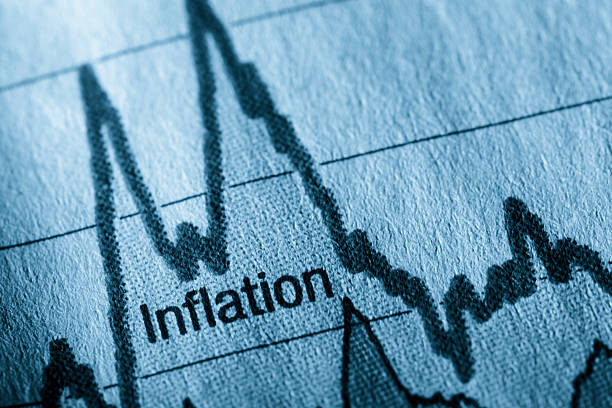
Inflation refers to the sustained increase in the general price level of goods and services in an economy over time. While moderate inflation is a normal part of economic growth, high inflation can have adverse effects, including:
- Reduced Purchasing Power: As prices rise, the value of money decreases, meaning you can buy less with the same amount of money.
- Interest Rate Hikes: Central banks may increase interest rates to combat inflation, making borrowing more expensive.
- Market Volatility: High inflation often leads to uncertainty in financial markets, causing increased volatility and unpredictable investment returns.
Impact of High Inflation on Investments
High inflation affects various asset classes differently:
- Fixed-Income Investments: Bonds and other fixed-income securities typically suffer during high inflation, as the real value of their future payments diminishes.
- Equities: Stocks can be a mixed bag; while some sectors may struggle, others might thrive by passing costs onto consumers.
- Real Assets: Assets like real estate and commodities often perform well in inflationary environments, as their values tend to rise with prices.
- Cash and Cash Equivalents: Holding large amounts of cash can be detrimental, as inflation erodes its value over time.
Strategies for Investing in High Inflation
To effectively navigate high inflation environments, consider the following investment strategies:
1. Invest in Real Assets
Real assets are tangible items that typically appreciate in value during inflationary periods. These include:
- Real Estate: Property values and rental incomes often rise with inflation, providing a hedge against price increases. Real estate investment trusts (REITs) can offer exposure without the need to directly manage properties.
- Commodities: Commodities like gold, silver, oil, and agricultural products tend to increase in price during inflation. Investing in commodity-focused ETFs or stocks of companies in the commodity sector can be beneficial.
- Infrastructure: Investments in infrastructure projects, such as utilities and transportation, can provide stable returns and act as a hedge against inflation.
2. Focus on Inflation-Protected Securities
Certain financial instruments are designed to protect against inflation:
- Treasury Inflation-Protected Securities (TIPS): TIPS adjust their principal value based on inflation rates, ensuring that your investment keeps pace with rising prices.
- Inflation-Linked Bonds: Similar to TIPS, these bonds adjust their payments based on inflation, providing a safeguard against decreasing purchasing power.
3. Shift to Equities with Pricing Power
Stocks of companies that can pass increased costs onto consumers are more resilient during inflation:
- Consumer Staples: Companies that produce essential goods, such as food, beverages, and household items, often maintain stable revenues as demand remains consistent.
- Utilities: Utility companies typically have regulated pricing, allowing them to adjust rates in response to inflation, thereby protecting their margins.
- Healthcare: The demand for healthcare services is relatively inelastic, enabling companies in this sector to sustain revenue growth despite rising costs.
4. Invest in Growth Stocks
Growth stocks can outperform during inflationary periods if companies continue to expand and innovate:
- Technology: Tech companies with strong competitive advantages and innovation capabilities can sustain growth even when costs rise.
- Industrials: Firms involved in manufacturing, construction, and infrastructure may benefit from increased demand and investment during inflationary times.
5. Maintain a Diversified Portfolio
Diversification remains a fundamental strategy, even in high inflation environments:
- Asset Allocation: Spread investments across different asset classes to mitigate risks associated with any single sector.
- Geographic Diversification: Investing in international markets can reduce exposure to domestic inflationary pressures and capitalize on growth in other regions.
6. Consider Dividend-Paying Stocks
Dividend-paying stocks can provide a steady income stream and potential for capital appreciation:
- Dividend Growth Stocks: Companies with a history of increasing dividends can help offset the impact of inflation on your income.
- High-Yield Stocks: While riskier, high-yield stocks can offer higher income, which can be beneficial in an inflationary environment if the companies maintain their payouts.
7. Utilize Floating Rate Instruments
Floating rate securities have interest payments that adjust with changes in interest rates, providing protection against rising rates often associated with high inflation:
- Floating Rate Bonds: These bonds offer variable interest payments that can increase with rising interest rates, helping to preserve income levels.
Risk Management in High Inflation Investing
While the strategies above can help mitigate the effects of high inflation, it’s essential to manage risks effectively:
- Regular Portfolio Reviews: Continuously monitor and adjust your portfolio to respond to changing economic conditions and inflation rates.
- Stay Informed: Keep abreast of economic indicators, central bank policies, and geopolitical developments that can influence inflation and market performance.
- Limit Exposure to Fixed-Income Securities: Reduce holdings in long-term fixed-income investments that are highly sensitive to inflation and interest rate changes.
- Balance Growth and Value: Maintain a balance between growth-oriented investments and value stocks to ensure diversification and stability.
Conclusion
High inflation environments present unique challenges and opportunities for investors. By adopting strategies that focus on real assets, inflation-protected securities, and resilient equities, you can protect your portfolio from the eroding effects of rising prices. Diversification, risk management, and staying informed are essential components of a successful investment approach in inflationary times. As always, consider consulting with a financial advisor to tailor these strategies to your individual financial goals and risk tolerance.